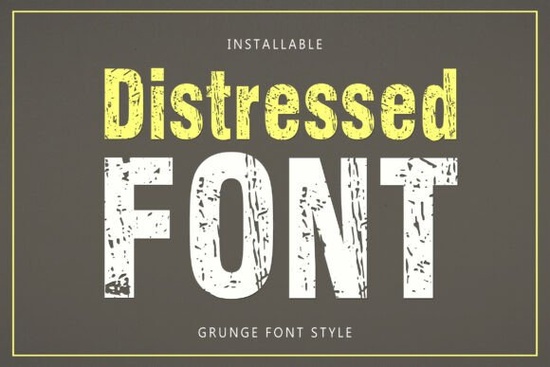
If you're looking to add some instant history and character to a design project, a bold, worn typeface is often the quickest way to get there. The Distressed Font delivers that authentic, aged feel without sacrificing readability, making it a solid choice for everything from t-shirts to poster headers.
What exactly is a distressed font and why use it?
A distressed font is a typeface that has been intentionally altered to look worn, scratched, or aged. Unlike a clean, perfect font, it mimics the effects of weathering, printing press imperfections, or general wear and tear. This particular Distressed Font is a bold, vintage-inspired display typeface. Each letter comes with its own rough edges and subtle imperfections, which means your text will look like it was lifted straight off a retro sign or a piece of military gear. It's great for adding texture to flat designs without needing to layer on a separate Photoshop effect.
What kind of projects does this Distressed Font work for?
Because of its rugged feel, this font is incredibly versatile across several niches:
- Apparel and Print-on-Demand: It works really well for t-shirts, hoodies, and hats, especially if you're going for a grunge, rock band, or vintage sports look.
- Posters and Flyers: The bold weight ensures it remains readable from a distance, while the distressed texture adds a layer of visual interest.
- Retro Branding & Logos: If you're building a brand around a rustic, craft, or heritage concept, this typeface can give your logo a grounded, authentic appearance.
- Military and Army-Style Designs: It pairs well with stencil motifs and rugged color palettes, making it a natural fit for tough, utilitarian themes.
How does this compare to other display fonts I might be using?
You might already be using other display fonts in your toolkit, and knowing when to switch things up is key. For example, if you're working on a project that needs a lot of energy and a modern hand-drawn feel, a fun comic book style might be a better fit. For something strictly tied to college or traditional sports aesthetics, a classic varsity typeface offers that specific scholastic look. However, when you want that gritty, rough-around-the-edges texture that implies age and durability, the Distressed Font is the specialized tool for that job. It fills the gap between perfectly clean modern fonts and overly complex decorative scripts.
Is it still readable with all those rough edges?
This is a common concern with textured fonts. Sometimes, designers sacrifice legibility for style, but this Distressed Font maintains a strong, clear structure. The letterforms are bold and well-proportioned, which means the distressed effects sit on top of a solid foundation. You won't struggle to read headlines or short blocks of text. This makes it practical for commercial use, not just a display piece that looks cool but doesn't function well in a real-world layout. It hits that sweet spot between authentic wear and everyday usability.
What if my project needs a completely different texture?
Distressed textures aren't the only way to add character. Sometimes you might want something that feels more handmade or playful. For a childlike, creative, or educational project, a crayon-style font adds that entirely different tactility. On the other hand, if you are designing for a high-energy sports event or a competitive team, a dynamic sport bundle might offer the speed and motion you need. The key is to match the texture of the font with the texture of your overall design concept. The Distressed Font is perfect for a worn, nostalgic, or rebellious vibe, while others are better suited for cleanliness, fun, or speed.
Putting it together: A quick checklist for using the Distressed Font
Before you download and start using it, here is a simple list to make sure you get the most out of it:
- Pair it with a clean sans-serif body font. The contrast between a rough header and a smooth paragraph text looks professional.
- Use it on solid backgrounds. While it can work on photos, it pops best on solid colors where the rough edges are clearly visible.
- Adjust sizing for impact. Use it large for headers. At smaller sizes, the distressed details might blend together.
- Don't over-distress the rest of your design. Let the font carry the texture. Keep other design elements relatively clean to avoid a messy look.
- Test it on mockups. Print-on-demand sellers should always test how the font looks on a t-shirt or mug mockup to ensure the distressed effect translates well to the product.
The Distressed Font is a great addition to your font library if you are regularly designing for audiences who love vintage aesthetics, rugged durability, or retro grunge. It does exactly what it promises: it gives your text an authentic, worn-in look while keeping things easy to read.
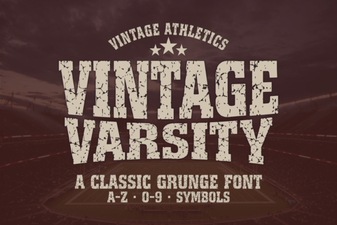 Designing with Vintage Varsity Font Styles
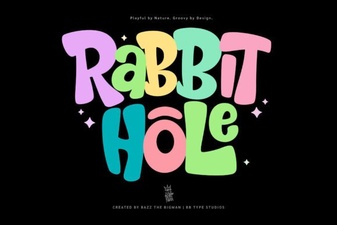 Rabbit Hole Font: Typography for Creative Projects
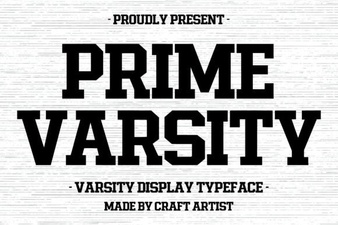 Prime Varsity Font for Creative Projects & Designs
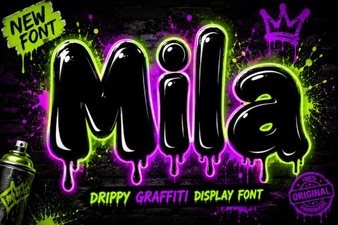 The Mila Font: Modern Design & Creative Projects
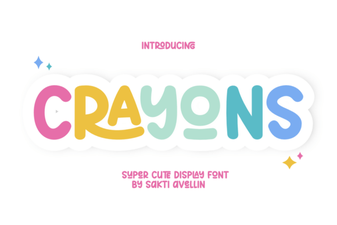 Colorful Creations with Crayons Font Designs
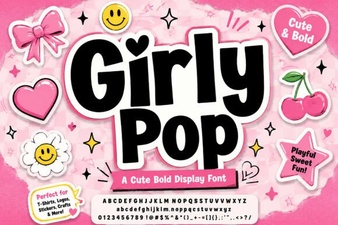 Girly Pop Fonts: Designs & Ideas for Creative Projects